
Floor Aftercare & How-To Guide
Whether you have just had your wood floors sanded and refinished, a stone floor cleaned and sealed, or you simply want to keep your carpets and rugs looking their best, this page shows you what to use, what to avoid and when to call us back in.
Tap your floor type to jump straight to it:
Just had your floor sanded and refinished?
The first days matter most. These are our guide times for the finishes we most often use. Your floor may differ slightly depending on the product, temperature and ventilation, and we will confirm exact timings when we finish.
- Light foot traffic (socks only): 4 hours after the final coat (see also when you can walk on your floor after sanding).
- Pets and furniture: keep off for 48 hours.
- Rugs: none for 7 days.
- Water and cleaning products: none for 7 days.
- Light foot traffic: after 12 hours. Allow up to 72 hours for the oil to dry fully.
- Rugs, water and care products: none for 8–14 days.
Finishes we typically use: Berger-Seidle Greenstar lacquer and Classic Base Oil. If you are unsure which finish is on your floor, just ask and we will tell you.
Wood floor quick start: do this, not that
Oiled wood floor care
Routine cleaning
- Dry clean first with a microfibre mop or soft brush to remove grit.
- Use a pH-neutral soap made for oiled floors, as directed.
- Damp mop with the mop wrung out well. The floor should dry within 1–2 minutes.
Periodic care (every 6–12 months)
Refresh high-traffic areas with a maintenance oil to restore lustre and protection. Bona Oiled Floor Cleaner and Bona Oiled Floor Refresher are the products we use. Want to bring up the shine safely? See our guide to how to polish wooden floorboards.
Lacquered wood floor care
Seeing grey or dull patches on a lacquered floor? Our guide explains why a wooden floor turns grey and what to do about it.
Routine cleaning
- Vacuum on the hard-floor setting (no rotating brush).
- Spray and mop with a lacquer-safe wood floor cleaner, such as Bona Wood Floor Cleaner Spray.
Periodic care
Lacquered floors generally last well with good routine care. When fine micro scratches appear, but before the lacquer has worn through to bare wood, a professional recoat can extend the life of the floor without full sanding.
Parquet & patterned floor care
Follow the steps above for your finish (oiled or lacquered). Avoid dragging furniture across the blocks and fit felt pads to chair legs. Professional sanding and finishing is recommended for parquet, to preserve pattern alignment and crisp edges. See our parquet floor restoration service, or read our guide on how to clean parquet flooring.
Stone & tiled floor care
- Dust mop with a microfibre cloth, or vacuum, to remove dry soil and grit.
- Dilute a neutral stone or tile cleaner as per the label, then damp mop.
- Most natural stone benefits from sealing. If your floor darkens with water or marks easily, a fresh seal may be due.
- A grout brush helps with grout lines. For a deep clean and reseal, see our stone floor cleaning service.
Carpets & rugs
- Vacuum high-traffic areas 2–3 times a week.
- Treat spots promptly with a wool-safe, residue-free spotter, available direct from DAB Floor Care.
- When it is time for a professional clean, see our carpet cleaning and rug cleaning (collection and return) services.
Protection & prevention
- Entrance mats: one outside and one inside, to trap grit and moisture.
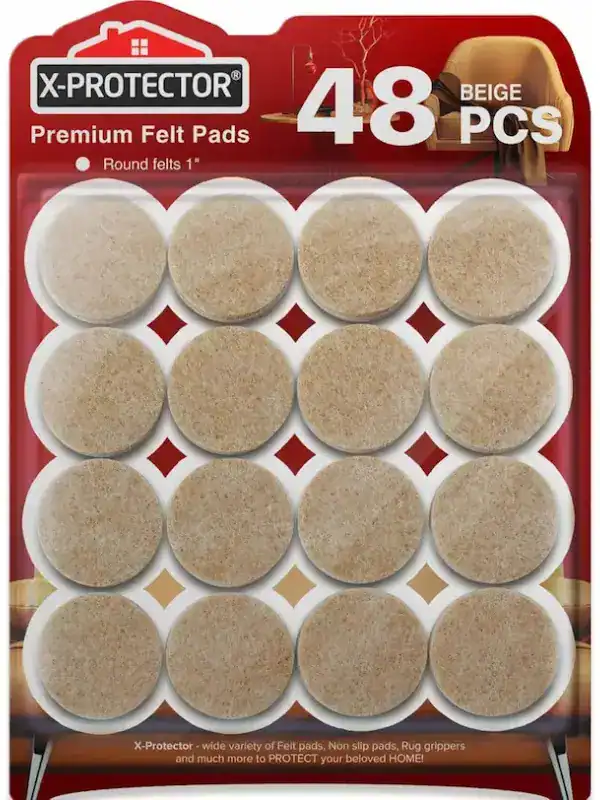
- Felt pads: fit to chairs and tables, and replace when worn.
- Indoor humidity: aim for 40–60% to minimise movement in wood.
- Plant pots: use saucers and check for trapped moisture.
When to call us
Grey patches where the finish has worn through, deep scratches, heavy staining, or a sticky film after DIY cleaning are all signs it is time for a professional. Send us a few photos on WhatsApp (button bottom right) for a quick, no-obligation view.
Get in touchProducts we recommend
Affiliate disclosure: as an Amazon Associate we earn from qualifying purchases. This does not affect the price you pay. We only list products we use and trust.


FAQs
Can I use a steam mop on wood floors?
No. Steam forces moisture into the timber and can damage the finish and joints.
What’s the best cleaner for my floor?
Use a product matched to your finish: oiled floor soap for oiled floors, lacquer-safe cleaner for lacquered finishes, neutral cleaner for stone and tile.
How often should I re-oil or re-coat?
Light domestic: oiled floors 12–24 months; lacquered floors 5+ years. Busy homes and commercial spaces may need more frequent care. Read more in our blog post on recoating vs refinishing.
When should I call a professional?
Grey patches where the finish has worn through, deep scratches, heavy staining, or if DIY cleaning leaves a sticky film.
If your floor needs a deeper clean, a re-oil or a protective re-coat, we can help. We offer virtually dust-free sanding, specialist stone cleaning and sealing, and low-moisture carpet cleaning.
 Chat with us