
By Dave Byrne
How to Clean Wooden Floors (Without Damaging Them)
The short version for how to clean wooden floors: sweep or vacuum first, then clean with a lightly damp microfibre mop and a wood floor cleaner suitable for the finish. Use as little moisture as possible, and never leave standing water on the floor.
Table of Contents
What You’ll Need
- A soft-bristle broom, or a vacuum with a hard-floor head (no beater bar, it’ll scratch the finish)
- A microfibre mop
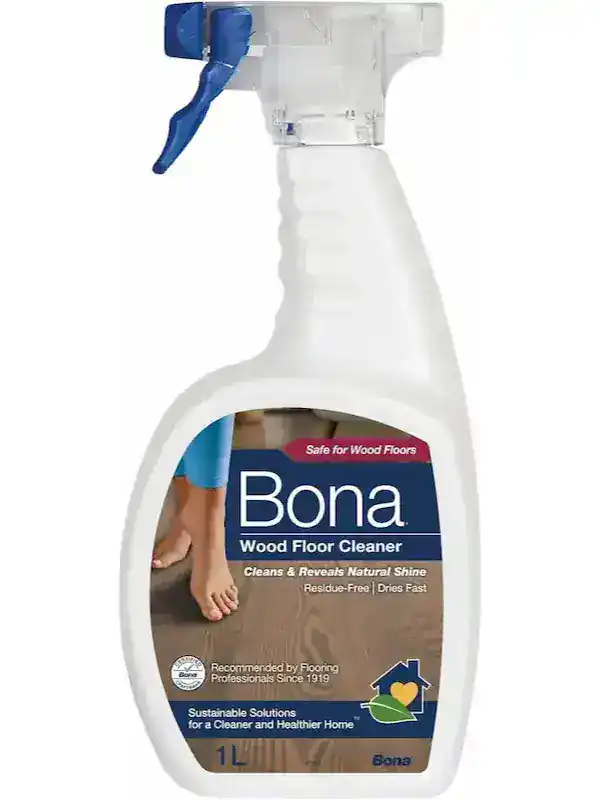
- A pH-neutral wood floor cleaner matched to your finish, as recommended on our aftercare guide: Bona Wood Floor Cleaner Spray for lacquered floors, Bona Oiled Floor Cleaner for oiled floors, applied with a Bona Premium Spray Mop
- A soft, dry cloth for edges and skirting boards
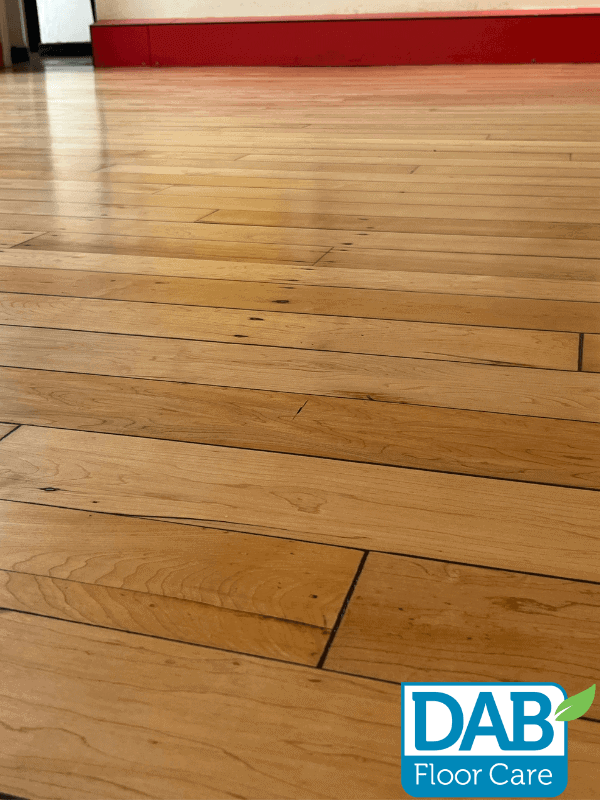
How to Clean Wooden Floors Step by Step
- Clear the room. Move rugs, light furniture and anything else that’s in the way.
- Dry-clean first. Sweep, vacuum or dust-mop the whole floor before any liquid touches it, this lifts the grit that actually causes scratching, rather than just moving dirt around.
- Damp-mop with the grain. Apply the cleaner sparingly, per the manufacturer’s instructions, working in manageable sections with the grain. Aim for a lightly damp surface, not a wet floor.
- Don’t leave wet patches. A correctly cleaned floor should dry quickly on its own. Pools of cleaner or visibly wet areas mean you’ve used too much, wipe them up with a clean, dry microfibre cloth.
- Spot-treat marks separately. Don’t scrub a stubborn mark into the surrounding finish, treat it on its own with a cloth and a small amount of cleaner, then buff dry.
What Should You Avoid When Cleaning Wooden Floors?
This is where a lot of well-meaning advice online gets it wrong:
- Avoid vinegar and homemade acidic cleaners. Unnecessary on modern finishes, and repeated use can dull or affect some coatings over time. A cleaner designed for finished wood gives you far better control over pH and moisture.
- No steam mops. Heat and moisture force their way into seams and joints, causing boards to swell, cup or gap.
- No excess water, ever. Even a well-chosen cleaner causes damage if it’s left standing.
- No wax-based polish on a lacquered floor. It won’t bond properly and leaves a cloudy film instead of a shine.
Different Finishes Need Different Care
Not all wood floors are cleaned the same way, the right product depends on how your floor was finished:
- Lacquered floors just need a standard pH-neutral cleaner like Bona Wood Floor Cleaner Spray, used sparingly.
- Oiled and hardwax-oiled floors need products compatible with the particular finish, we recommend Bona Oiled Floor Cleaner. Avoid general-purpose detergents, which can leave the surface flat or affect the protective finish. High-traffic areas may also benefit from a maintenance refresher (Bona Oiled Floor Refresher) once the finish starts looking dry or uneven, how often depends on the floor and how much use it gets.
Not sure which finish you’ve got? Our lacquer vs hardwax oil guide explains the difference.
Entrance mats and felt furniture pads, covered on our full aftercare guide, also cut down on the grit and scuffing behind most day-to-day wear.
How Often Should You Clean a Wood Floor?
- Dry-clean (sweep or vacuum): 1–2 times a week in normal use
- Damp-mop: every 1–2 weeks
- Kitchens, hallways and other high-traffic areas: more often than the above, little and often keeps grit from building up
When Cleaning Isn’t Enough
Regular cleaning keeps a healthy floor looking good, it won’t fix one that’s already damaged. A useful test: clean a small patch in good daylight. If a grey, dull or uneven look remains once the surface dirt is gone, you’re looking at wear in the finish itself, not dirt on top of it.
Signs of finish wear rather than dirt:
- Scratches that go through the finish to bare wood, not just surface marks
- Grey or black staining that doesn’t lift (usually water damage, see our guide on why wooden floors turn black)
- Worn, dull patches that don’t come back after a proper clean
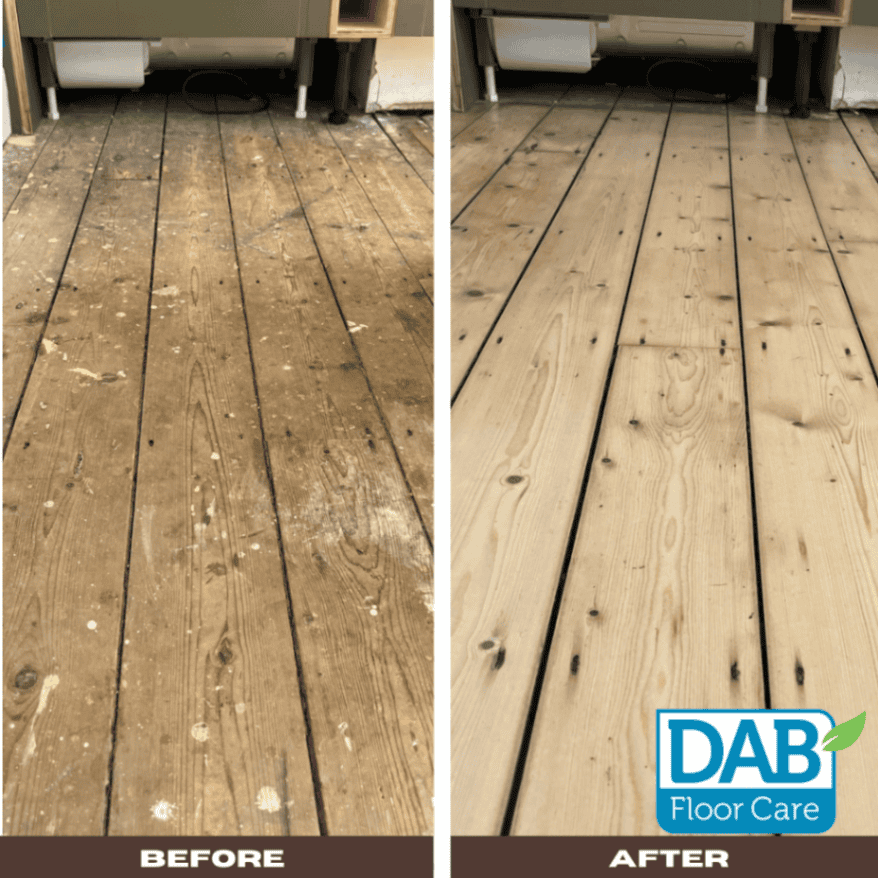
Depending how deep the damage goes, these need localised repair, professional recoating, or full wood floor sanding and refinishing, always the least invasive process that gives a lasting result.
Wood Floor Cleaning and Restoration in West Yorkshire
We regularly assess wooden floors across Huddersfield, Halifax, Leeds, Bradford and the surrounding areas where homeowners assume a deeper clean is all that’s needed. Sometimes it is, where the finish has worn through, though, we’ll say so, and recommend whatever fixes it with the least fuss and expense.
Not Sure Whether Your Floor Needs Cleaning or Sanding?
If your wooden floor still looks scratched, grey, dull or patchy after cleaning, send us a few photos on WhatsApp. We can usually tell whether it needs further cleaning, a recoat, repair, or sanding and refinishing.
Frequently Asked Questions
Can I steam clean a wood floor?
No. Steam pushes heat and moisture into the seams and joints between boards, which can cause swelling, cupping or gaps, even on a well-finished floor.
Is vinegar safe on wood floors?
We don’t recommend it. Vinegar is acidic, and repeated use can affect the appearance of some finishes. Use a pH-neutral or manufacturer-approved wood floor cleaner instead.
Can I use washing-up liquid to clean wooden floors?
Not as your regular cleaner. It’s designed to cut grease on dishes, not maintain a wood floor finish, and too much can leave residue behind. A cleaner made for your floor’s finish is the safer option.
Can I clean an engineered wood floor the same way?
Generally, yes : engineered wood has a real timber wear layer, so the same low-moisture approach applies. If the floor is already scratched or worn, restoration may still be possible depending on the wear layer’s thickness and condition.
How do I get my wood floor to shine again?
Start with a proper clean, dirt trapped underneath any product leaves it looking cloudy regardless. If cleaning alone doesn’t bring the shine back, polishing or a recoat is usually the next step.
 Chat with us