
Tile and Grout Cleaning: Is Professional Cleaning Worth It?
Written by Dave Byrne, DAB Floor Care
Tile floors are designed to cope with everyday life, but even durable ceramic, porcelain and natural stone surfaces gradually collect dirt. Grout is particularly vulnerable because it is porous, slightly recessed and exposed to everything brought across the floor: from muddy footwear and food spills to soap residue and cleaning products.
Regular sweeping and mopping are important, but they do not always remove the ingrained contamination held within grout lines or textured tile surfaces. This is where professional tile and grout cleaning can make a noticeable difference.
The right approach depends on the material, the condition of the grout and the type of soiling present. Professional cleaning is not simply a matter of using a stronger chemical. It involves assessment, appropriate products, mechanical cleaning and careful extraction, with sealing considered afterwards where suitable.
Table of Contents
Why do tile and grout floors become dirty?
Tiles are often easy to wipe clean, but the grout between them behaves differently. Cement-based grout can absorb moisture, grease and fine dirt, particularly where its original protection has worn away.
Common causes of discolouration include:
- Dirt tracked in from outside
- Grease and food residue in kitchens
- Soap scum and body oils in bathrooms
- Dust and soil trapped in textured surfaces
- Residue left behind by unsuitable cleaning products
- Heavy foot traffic in hallways and entrances
- Worn or missing grout sealant
Over time, grout may appear grey, brown or noticeably darker than its original colour. A floor can look untidy even when the tiles themselves are in reasonable condition.
Mopping may remove loose surface dirt, but it can also spread a thin layer of residue across the floor if the cleaning water is not changed frequently or the surface is not rinsed properly. Grout lines then continue to look dull while the tile faces appear relatively clean.
What does professional tile and grout cleaning involve?
Every floor should be assessed before cleaning begins. Ceramic, porcelain, Victorian tiles, slate, limestone and other natural stones can respond differently to products and equipment. A method suitable for one material may be unsuitable for another.
A professional cleaning process will typically include the following stages.
1. Inspection and surface identification
The floor is checked for its material, finish, grout condition, staining and any areas of damage. Existing sealants, old waxes or residues may also affect the recommended method.
It is important to identify problems that cleaning cannot solve. Cracked grout, loose tiles, missing sections or severely worn surfaces may require repairs or regrouting rather than a cleaning treatment alone.
2. Preparation and testing
Loose dust and grit are removed before wet cleaning begins. Furniture and nearby surfaces may need to be moved or protected, particularly around kitchen units, skirting boards and adjoining carpets or wooden floors.
Where appropriate, cleaning products can be tested in a less visible area first. This helps confirm that the chosen process is suitable for the tile and grout.
3. Application of the appropriate cleaning solution
A suitable professional cleaning solution is applied to break down grease, dirt and residue. The product needs time to work before agitation begins. This dwell time helps loosen contamination rather than relying on aggressive scrubbing alone.
Natural stone requires particular care. Acidic products, for example, can damage or etch acid-sensitive stones such as limestone and marble. A stone-safe, material-appropriate approach is essential.
4. Mechanical agitation and grout cleaning
Grout lines and textured tiles often need more than a mop. Rotary cleaning equipment and specialist brushes can agitate the surface, helping to release dirt from recessed grout and the small variations in textured flooring.
Some areas may still require detailed hand work, especially around edges, corners and heavily marked grout lines. The aim is to clean thoroughly without damaging the tile surface or eroding sound grout.

5. Extraction and rinsing
Loosened dirt and cleaning solution need to be removed from the floor. Professional extraction equipment lifts away the dirty water rather than leaving it to dry back onto the tiles and grout.
This is one of the main differences between professional cleaning and ordinary household scrubbing. The process combines agitation with extraction, helping to remove contamination that has been released from the surface.
At DAB Floor Care, we use commercial-grade rotary and extraction equipment for hard floor cleaning, including tiled floors, grout, safety flooring, vinyl and LVT. The equipment and process are selected according to the material and the condition of the floor.
6. Drying and optional sealing
The floor is left as clean and as dry as practical, with attention paid to corners and grout lines. Drying time varies with the material, the level of rinsing required and the room conditions, but good ventilation and the correct cleaning method can help the surface dry more efficiently.
Once grout is fully clean and dry, sealing may be recommended. A suitable grout sealer can help reduce future staining and make routine maintenance easier. It does not make grout maintenance unnecessary, and it will eventually need to be renewed, particularly in busy areas.
What problems can professional tile and grout cleaning improve?
Professional cleaning is often effective when the main issue is accumulated dirt rather than structural damage.
It may improve:
- Darkened or discoloured grout
- Grease and food residue
- Soap scum
- Dirt in textured ceramic or porcelain tiles
- Dull-looking Victorian or quarry tiles
- Residue from previous cleaning products
- General wear in kitchens, bathrooms and hallways
The final result depends on the condition of the floor. Soil-based staining can often be reduced significantly, but some marks may be permanent. Rust, dye, deep mould staining, chemical damage and etching in natural stone may not disappear through cleaning alone.
Cleaning will not repair cracked grout or replace missing sections. A proper assessment helps establish what improvement is realistic before work starts.
When is professional tile and grout cleaning worth it?
Professional cleaning is worth considering when routine maintenance no longer changes the appearance of the floor. There are several signs that a deeper clean may be appropriate.
The grout is consistently dark
If grout remains dark shortly after mopping, contamination may be embedded below the surface. This is common in entrances, kitchens, bathrooms and other high-traffic areas.
The tiles look dull despite regular cleaning
A film of residue, ingrained dirt or old product may be affecting the surface. Professional cleaning can help establish whether the problem is removable soil or permanent surface wear.
You are preparing to sell or let a property
Clean, well-maintained flooring can improve the overall impression of a property. Tile and grout cleaning may be a practical alternative to replacement where the tiles remain sound but look tired.
You have a large or heavily used area
Cleaning grout by hand can be time-consuming, particularly across a kitchen, hallway, conservatory or commercial washroom. Professional equipment can make the process more consistent and reduce the physical effort involved.
The floor is made from natural stone
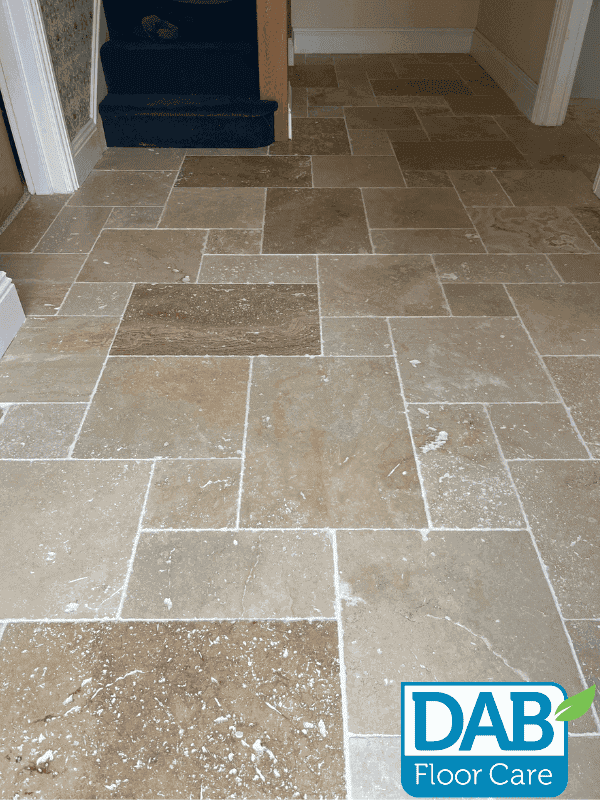
Stone floors need carefully selected products and methods. If a slate, limestone, sandstone, travertine or Yorkstone floor has become dull or heavily soiled, using a generic household cleaner may create further problems.
What affects the cost of professional tile and grout cleaning?
The cost of professional tile and grout cleaning depends on the floor itself and the amount of work needed to clean it properly. Quotations are usually based on a combination of practical factors rather than a single standard rate.
Common factors include:
- The overall size of the area
- The tile material and surface texture
- How heavily soiled the grout is
- Whether grease, soap residue or old product build-up needs extra treatment
- Access, room layout and how much edge work is required
- Whether the floor needs testing because it includes natural stone
- If sealing is recommended after cleaning
- Whether there are damaged areas that need repair rather than cleaning alone
A small, regularly maintained tiled floor is very different to a larger kitchen, hallway, commercial washroom or stone-flagged entrance with years of ingrained soiling. It is also important to separate cleaning from repair. If grout is cracked, missing or badly worn, regrouting may be the more appropriate recommendation.
If you would like tailored advice, we can assess the floor and provide a free, no-obligation quotation based on its material, condition and the result you are hoping to achieve.
When is DIY cleaning enough?
DIY cleaning is often suitable for light, recent soiling and routine maintenance. If the grout is in good condition and responds to gentle cleaning, there may be no immediate need for a professional service.
For regular care:
- Sweep or vacuum before mopping
- Use a cleaner suitable for the specific tile material
- Follow the product dilution instructions
- Use a soft brush rather than a metal brush
- Rinse away residue where appropriate
- Remove spills promptly
- Avoid acidic products on sensitive natural stone
- Do not mix cleaning chemicals
A small area can be manageable with patience and the correct products. The limitations usually become clearer when grout is heavily discoloured, the area is large or previous cleaning attempts have left residue behind.
Strong chemicals and excessive scrubbing can damage grout, dull tiles or affect an existing sealer.
Cleaning, resealing or repair: which do you need?
These services are related but not identical.
Cleaning removes dirt, grease, residue and other removable contamination.
Sealing adds protection to suitable grout or stone after the surface has been properly cleaned and dried. It can help reduce staining and simplify future maintenance.
Repair or regrouting is needed when grout is cracked, missing, loose or badly eroded. Cleaning may improve the appearance around damaged areas, but it will not rebuild the grout.
Stone restoration may involve additional work such as honing, polishing or stain treatment where the stone itself has been scratched, etched or worn.
A professional assessment should come before deciding which treatment is required. Sometimes a deep clean is all that is needed; in other cases, cleaning forms the first stage of a wider restoration process.
Tile and grout cleaning across West Yorkshire and Greater Manchester
We provide tile and grout cleaning for homes and businesses across West Yorkshire and Greater Manchester, including Huddersfield, Halifax, Leeds, Bradford, Rochdale and surrounding areas.
We regularly clean tiled kitchen floors, hallways, bathrooms, entrances and commercial areas where grout has become dark or the tile surface has accumulated ingrained dirt and cleaning residue. If you are unsure what type of tile or stone you have, photographs are often a useful starting point. We can advise whether cleaning, sealing, repair or a more specialised restoration treatment is likely to be appropriate.
What should you expect from a professional service?
A reliable floor cleaning service should explain:
- Which material has been identified
- What the cleaning process involves
- Whether testing is required
- What results are realistic
- Whether sealing is suitable
- How long the floor may need before normal use
- What aftercare will help maintain the result
At DAB Floor Care, we provide clear advice before work begins and tailor the process to the floor rather than applying a one-size-fits-all treatment. We also provide hard floor cleaning for homes, workplaces, commercial premises and other high-traffic areas across West Yorkshire, Greater Manchester, East Lancashire and surrounding locations.
Frequently asked questions
Can badly discoloured grout be restored?
Yes, in many cases it can be improved significantly if the discolouration is caused by ingrained dirt, grease or surface residue. Where staining has penetrated deeply, or the grout is damaged, the improvement may be limited and repair or regrouting may be the better option.
How long does professional tile and grout cleaning take?
It depends on the size of the area, the tile material, the level of soiling and whether detailed edge work or sealing is needed afterwards. Smaller domestic floors may be completed relatively quickly, while larger or heavily used areas can take longer.
Should grout be sealed after cleaning?
It can be beneficial in many situations. Once suitable grout is thoroughly clean and dry, sealing can help reduce future staining and make routine maintenance easier. Whether it is recommended depends on the grout type, location, previous treatments and how the floor is used.
Can professional cleaning damage natural stone?
The risk is greatly reduced when the floor is correctly identified and cleaned using products and methods suitable for the stone. Problems can occur when acidic cleaners or overly aggressive techniques are used on sensitive materials such as limestone or marble, which is why inspection and testing are important before cleaning begins.
Final thoughts
Tile and grout cleaning can provide a significant improvement when a floor is structurally sound but looks dull, stained or neglected. Professional cleaning goes beyond ordinary mopping by combining suitable products, mechanical agitation and extraction to reach ingrained dirt in grout lines and textured surfaces.
DIY cleaning remains useful for routine maintenance and light soiling. However, professional cleaning is often worthwhile when discolouration persists, the area is large, natural stone is involved or you want to clean and reseal the floor properly.
If you are unsure whether your floor needs cleaning, sealing or repair, send DAB Floor Care a few photographs through the contact page. We can discuss the condition of the floor, explain the available options and provide a free, no-obligation quotation.
 Chat with us